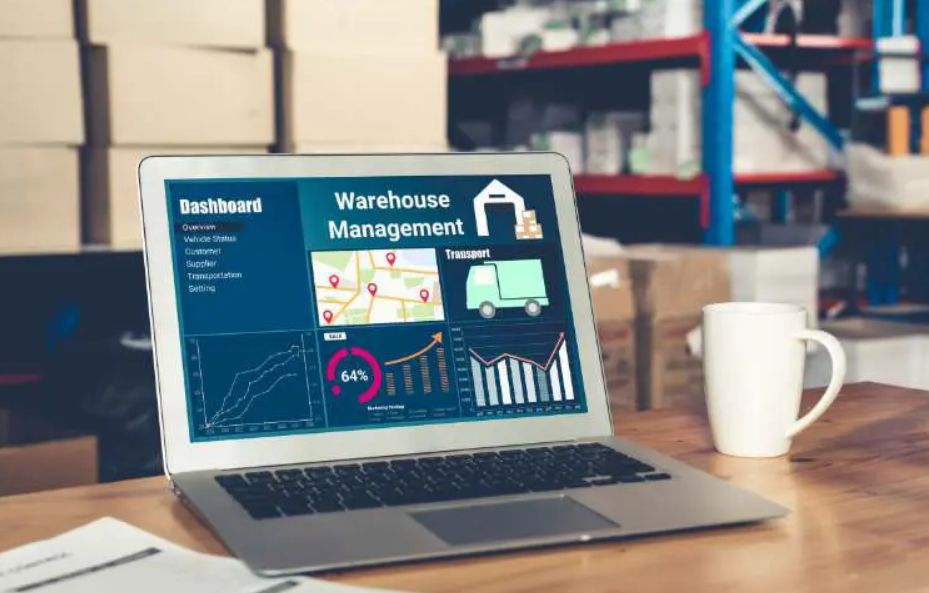
The integration of real-time tracking technologies, such as IoT and GPS, is reshaping supply chain management. These innovations provide businesses with enhanced visibility and control over logistics and inventory. Companies can now monitor shipments and inventory levels instantaneously, which leads to improved decision-making and operational efficiency. However, understanding the full impact of these advancements requires a closer examination of their implementation and results across various industries. What emerges is a complex picture of transformation and opportunity.
The Role of IoT in Supply Chain Visibility
As supply chains increasingly face complexities and disruptions, the integration of the Internet of Things (IoT) emerges as a pivotal element in enhancing visibility throughout the supply chain ecosystem.
IoT sensors enable real-time data collection and transmission, facilitating smart logistics. This technology allows stakeholders to monitor inventory levels, track shipments, and optimize routes, ultimately fostering greater transparency and efficiency in supply chain operations.
Leveraging GPS Technology for Accurate Tracking
While the integration of IoT has significantly enhanced supply chain visibility, leveraging GPS technology is equally critical for ensuring accurate tracking of shipments.
GPS integration provides real-time location accuracy, enabling stakeholders to monitor transit conditions and optimize route efficiency.
This precise tracking reduces delays, enhances accountability, and ultimately fosters a more responsive supply chain, aligning with an audience’s desire for operational freedom and flexibility.
Data Analytics: Transforming Supply Chain Management
Data analytics has emerged as a transformative force in supply chain management, enabling organizations to harness vast amounts of data for informed decision-making.
By utilizing predictive analytics, companies can enhance demand forecasting accuracy, optimizing inventory levels and reducing operational costs.
This approach facilitates proactive responses to market fluctuations, allowing businesses to streamline processes and maintain a competitive edge in a rapidly evolving landscape.
Case Studies: Success Stories in Real-Time Tracking
Real-time tracking has proven to be a game-changer for numerous organizations, showcasing its potential through various case studies.
Notable examples include companies that successfully utilized RFID implementation to enhance inventory accuracy and blockchain integration to ensure transparency in transactions.
These advancements not only streamlined operations but also provided stakeholders with real-time insights, ultimately fostering greater autonomy and efficiency across supply chain networks.
Conclusion
In the intricate tapestry of modern logistics, real-time supply chain tracking serves as the vital thread that weaves together efficiency and transparency. The integration of IoT sensors and GPS technology acts as a guiding compass, illuminating the path to optimized operations. Meanwhile, data analytics functions as the skilled artisan, sculpting raw information into actionable insights. Together, these elements forge a resilient framework, empowering businesses to navigate the complexities of the market with agility and foresight.