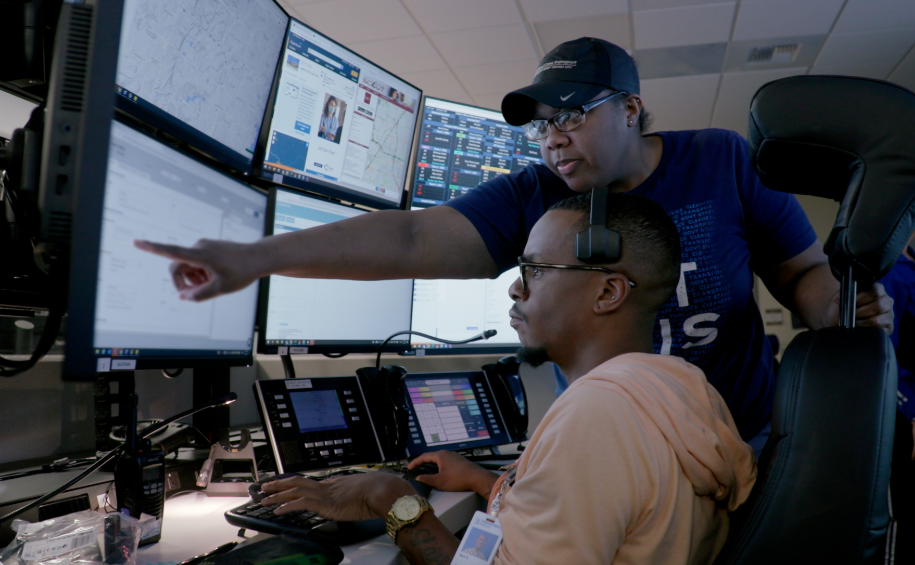
Technology significantly enhances disaster preparedness through various innovative tools. Advanced warning systems utilize predictive modeling to forecast potential disasters, while mobile apps deliver real-time updates and safe navigation routes. Drones enable efficient damage assessment and resource allocation from the sky. Additionally, social media serves as a platform for community engagement and information sharing. Understanding how these elements interconnect reveals critical insights into improving resilience in vulnerable areas. What implications might this have for future disaster response strategies?
Advanced Warning Systems
Advanced warning systems play a crucial role in enhancing disaster preparedness by providing timely alerts about potential hazards.
By leveraging sensor technology and predictive modeling, these systems can analyze environmental data to forecast disasters accurately.
This proactive approach empowers individuals and communities, enabling them to take necessary precautions and mitigate risks.
Ultimately, such advancements cultivate a more resilient society, fostering the desire for freedom and safety.
Mobile Apps for Real-Time Updates
Mobile applications have emerged as a vital tool for disseminating real-time updates during disasters, complementing the effectiveness of advanced warning systems.
These apps facilitate timely emergency notifications, ensuring users receive critical information promptly.
Additionally, location tracking features enable individuals to assess nearby threats and access safe routes.
Such technology empowers communities, enhancing their resilience and autonomy in navigating disaster scenarios effectively.
Drones and Aerial Surveillance
Drones have revolutionized aerial surveillance in disaster preparedness, providing critical insights that enhance situational awareness.
Their drone capabilities allow for rapid aerial mapping, enabling responders to assess damage and identify hazards quickly. This technology facilitates efficient resource allocation and supports decision-making during emergencies.
Community Engagement Through Social Media
As communities increasingly turn to social media platforms, they discover powerful tools for enhancing disaster preparedness and response.
Effective social media strategies facilitate real-time information sharing and community outreach, fostering collaboration among residents.
Conclusion
In the face of nature’s unpredictability, technology emerges as a steadfast lighthouse, guiding communities through turbulent waters of disaster preparedness. Advanced warning systems and mobile apps serve as vigilant sentinels, while drones soar above, providing a bird’s-eye view of the unfolding landscape. Social media acts as a vibrant tapestry, weaving connections that empower collective resilience. Together, these tools transform chaos into coordinated action, ensuring that when storms arise, communities stand united, fortified by the innovative spirit of human ingenuity.