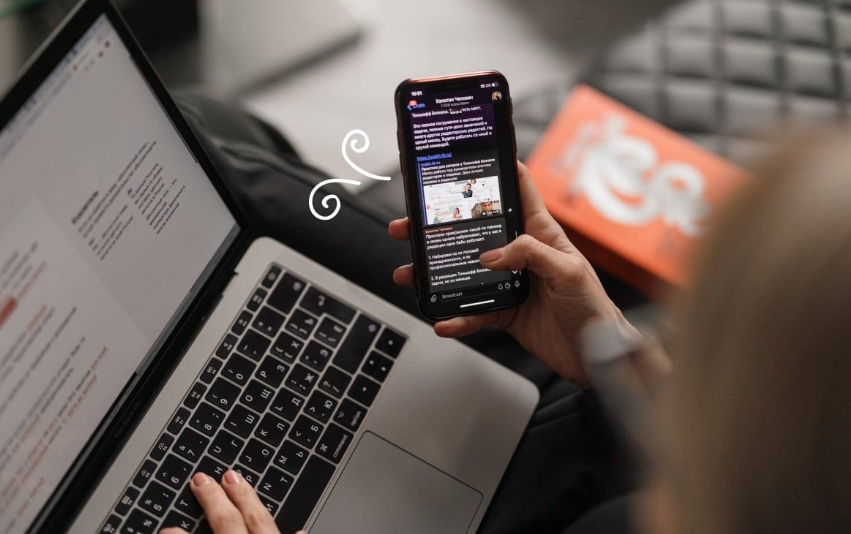
The rise of remote collaboration has introduced various technology challenges that can impede productivity. Internet connectivity issues often disrupt communication, while coordinating across multiple time zones complicates scheduling. Additionally, language barriers and cultural differences can lead to misunderstandings among team members. These factors collectively threaten team cohesion. Understanding the implications of these challenges is essential for organizations aiming to enhance their remote collaboration strategies. What solutions might emerge to address these pressing issues?
Internet Connectivity Issues
Although remote collaboration offers flexibility and accessibility, it is often hindered by internet connectivity issues that can disrupt communication and productivity.
Bandwidth limitations can significantly impair the quality of video conferencing and file sharing.
Therefore, implementing robust connectivity solutions, such as upgraded routers and reliable internet service providers, is essential to ensure seamless interactions, ultimately facilitating a more liberated and efficient collaborative environment.
Time Zone Coordination
Effective remote collaboration is not only dependent on internet connectivity but also significantly affected by time zone coordination.
Organizations often grapple with scheduling across diverse time zones, leading to inefficiencies. Utilizing advanced scheduling tools and global calendars can streamline meeting arrangements, ensuring all participants are engaged at convenient times.
Thus, proper time zone management is essential for maximizing productivity in a remote work environment.
Communication Barriers
While remote collaboration enables teams to connect across distances, communication barriers can significantly hinder effective interaction.
Language differences often lead to misunderstandings, while cultural nuances can affect tone and context, complicating message interpretation.
These obstacles may result in decreased productivity and frustration among team members.
Addressing these barriers is crucial for fostering clear communication and enhancing collaborative efforts in a diverse environment.
Maintaining Team Cohesion
Communication barriers not only impede interaction but also pose challenges in maintaining team cohesion within remote environments.
Effective virtual team building practices are essential for fostering trust development among members. Utilizing structured activities and transparent communication strategies can mitigate feelings of isolation, enhancing collaboration and connectivity.
Ultimately, prioritizing these elements is crucial for sustaining a cohesive and motivated remote workforce.
Conclusion
In navigating the landscape of remote collaboration, technology challenges act as storm clouds that obscure the sun of productivity and team cohesion. Internet connectivity issues, time zone discrepancies, and communication barriers create a turbulent environment where misunderstandings thrive. To illuminate the path forward, organizations must invest in robust solutions that bridge these gaps, enabling teams to unite like a well-tuned orchestra, harmonizing their efforts despite the distance. Only then can they transform potential discord into a symphony of collaboration.